A Space for Attitude, Craftsmanship, and Coffee
“When space, craftsmanship, and coffee come together, the result is more than just a place—it’s a feeling. One that lasts.”
Right in the heart of the industrial park, the founders of WOKE.UP Kaffee have created a coffee roastery that goes far beyond just good coffee. Here, philosophy, craftsmanship, and interior design come together—united by a commitment to making quality visible and tangible. Amid concrete finishes, oak wood, and colorful packaging, our Retrostar furniture stands as part of this overall concept: not as decoration, but as a deliberate element of a space designed to help people slow down.
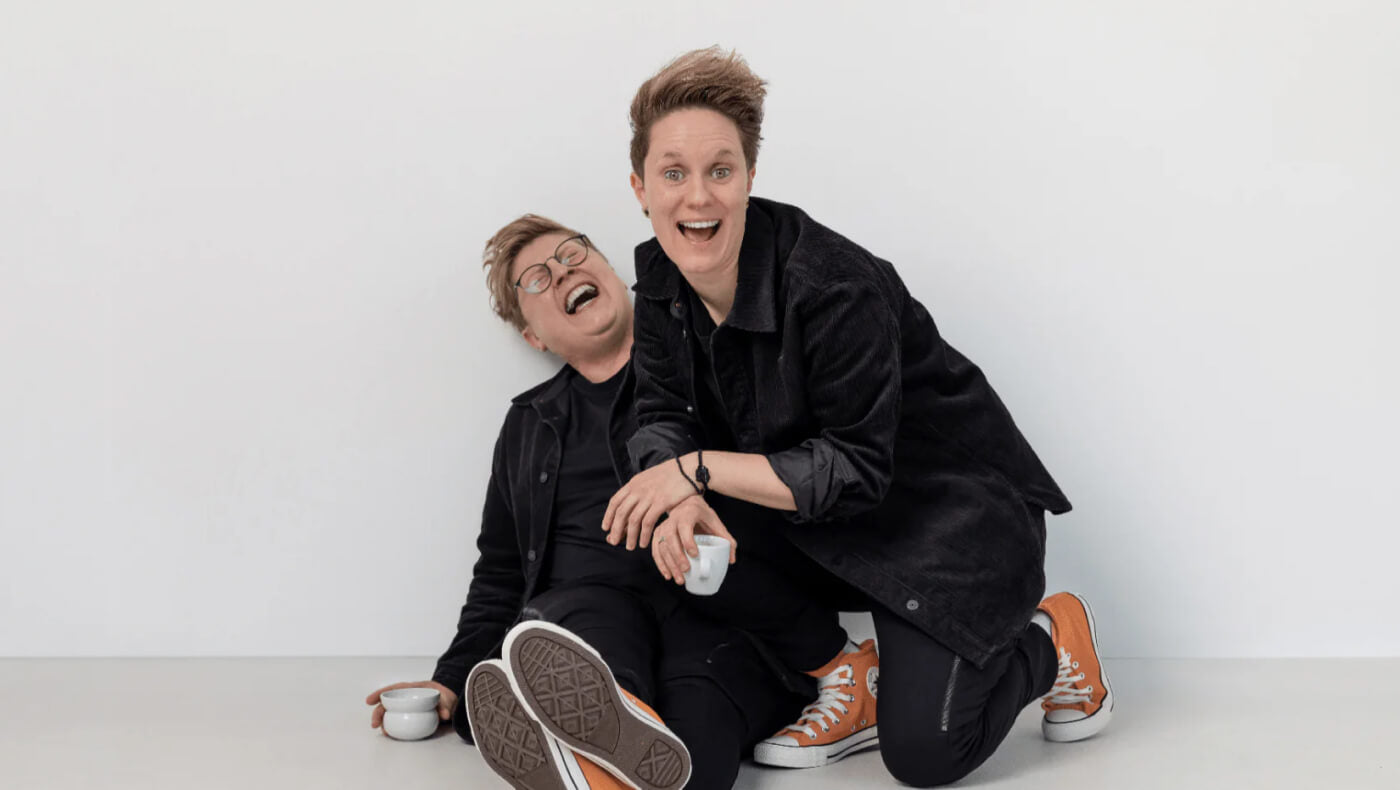
In this interview, the founders of WOKE.UP talk about bold decisions, their trip to Colombia, conscious commerce, and why interior design is just as much about emotion as coffee is.
What was the moment when the idea for WOKE.UP turned into a real company—and what gave you the final push?
The journey to WOKE.UP was a process—but the final push came at a very clear moment.
The desire to start something of my own had been there for a long time. What was missing was the courage and confidence to actually take that step.
It wasn't until we embarked on our extended journey that things changed. We quit our stable jobs, sold our house, and traveled through Scandinavia in our own van. That time gave us the space to rethink things—and the courage to make decisions.
Back in Germany, our initial plan was to start a coffee roastery together with our partners. But it became clear relatively quickly that our visions and ideas diverged. It was clear to us that we didn’t want to view coffee merely as a product, but rather wanted to operate with a sense of purpose—especially given that, as a queer couple, we had to stand behind what we were doing.
That's why we decided to go our own way.
At the same time, it was important to us to truly understand the source. We traveled to Colombia and were able to establish our first connections with farmers and an importer there. That gave us tremendous strength and support because it allowed us to lay the groundwork for direct, conscious trade so early on.
WOKE.UP was born out of this interplay of courage, trust, and a clear stance.
Not a loud starting gun—but a very deliberate decision.
You source your beans exclusively from countries where LGBTQ+ rights are respected. What does this deliberate restriction mean, specifically, for your work—and for the flavor in the cup?
Our decision affects everything—from the selection to the flavor in the cup.
We carefully select our countries of origin. This gives us a clear framework: focused, minimalist, and with character. Within this framework, however, there are no limitations—only diversity. Different regions, processing methods, and profiles—deliberately exclusive rather than chosen at random.
While many roasteries define themselves based on individual criteria, we look at the big picture: the context in which coffee is produced and whether it’s a good fit for us.
This clarity is transforming our work. It forces us to look more closely, make more conscious decisions, and not leave quality to chance.
And that's exactly what you taste in the cup: coffees with a distinct profile, their own character, and a selection that is harmonious as a whole.
When someone walks into your space for the first time: What feeling do you want to create—and how did you design the interior to achieve that?
When someone enters our space, they should immediately get a sense of quality—quality you can see before you taste it.
Our guests often arrive with very different expectations—precisely because we’re located in an industrial park. That made it all the more important for us to create a space that surprises. Clean, calm, and high-quality—but lively at the same time.
Our approach to coffee is reflected precisely in that. Because before anyone takes that first sip, they take in the space. Materials, colors, textures—for us, all of that is part of the overall experience.
Our packaging deliberately incorporates color and movement. The furniture picks up on this dynamism, but in a calmer, more understated way. The result is an interplay that isn't loud, but is definitely noticeable.
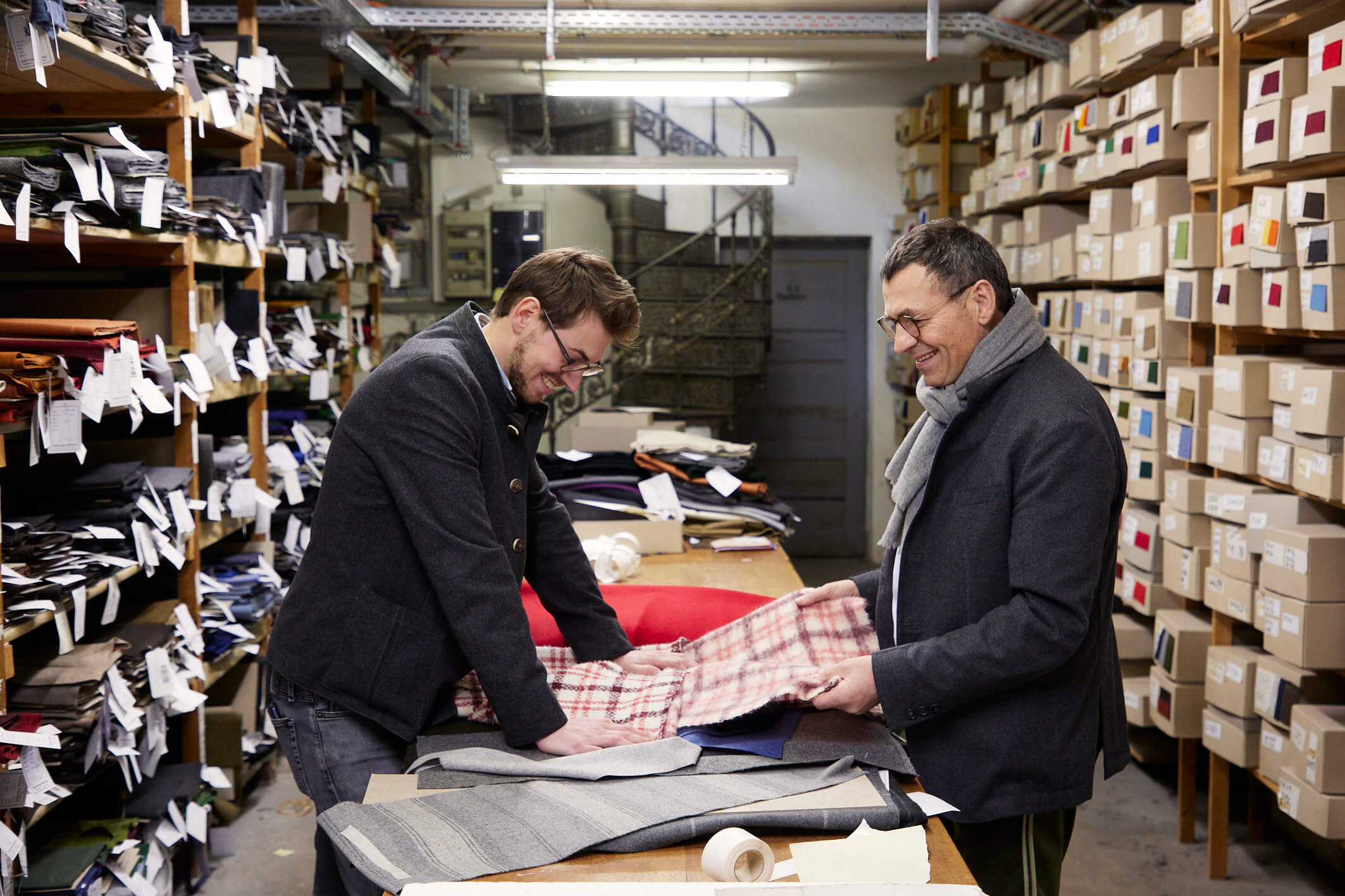
At the same time, it was important to us to showcase the craftsmanship. From the sales area, you can look directly into the production area. You sit on high-quality furniture, sample different coffees, and experience just how diverse coffee can be.
Many people think of coffee as a quick pick-me-up in everyday life. We want to show that it can be so much more: a moment, a space, an experience.
And that's exactly what begins for us the moment you step into the room.
You went for two Retrostar Chairs in the Bauhaus 1922 Edition and a Retrostar Sofa in Dark Grey. What was it about this specific combination that won you over?
The decision was actually made in two steps.
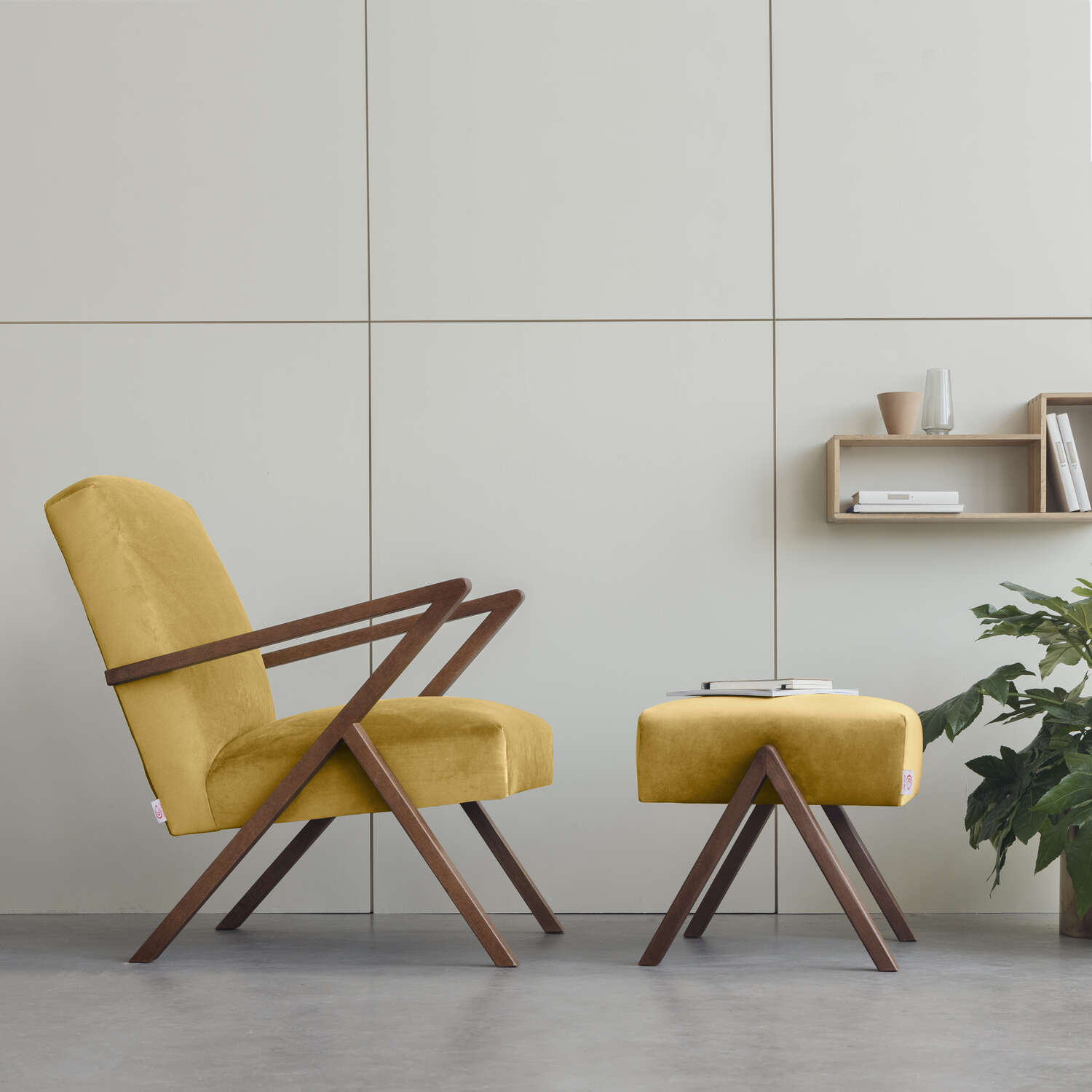
When we checked out Sternzeit Design's production, we were instantly won over by the armchairs' shape: simple, clean, and super distinctive all at once. This clear design was exactly what we'd been searching for – something timeless that isn't loud, but definitely present. Something special.
The fabric hadn't been finalized at that point. Originally, we had more subdued options in mind. It wasn't until our room design was finalized that that changed.
With its clean lines, concrete-look finishes, white metal and oak shelves—and especially with our colorful packaging—it became clear that the sales floor needed a deliberate contrast.
 Photo: The Old Pub Eleven
The Bauhaus fabric really brings all that in: color, movement, and a touch of the unexpected. While the shape keeps things calm, the fabric adds a bit of excitement.
At the same time, it was important to us to use this contrast in a deliberate way. That’s why we deliberately chose two armchairs in this eye-catching fabric—and, to balance it out, a dark gray retro sofa. Any more of it would have quickly made our showroom feel too busy.
This balance was crucial for us: creating focal points without overloading the space.
The furniture reflects the dynamism of our brand while maintaining a calm and sophisticated overall look. In the front area, the focus is clearly on the coffee. In the back, the furniture really comes into its own—where conversations begin and people can relax while enjoying a view of the roastery.
In the end, the result was a harmonious interplay of form, color, and space.
Those Bauhaus Armchairs are super colorful and really stand out! How do your guests react to them? Any memorable moments or comments you can share?
Our guests' reactions are actually exactly what we had hoped for.
We knew that the armchairs would immediately catch the eye—precisely because the room is otherwise very clean and minimalist. This contrast is intentional.
Many guests pause for a moment, take a closer look—and then almost automatically head toward the furniture. What strikes us in particular is that people almost always touch the fabric.
Based on its appearance, many people expect something sturdy, almost austere. That makes the moment all the more special when they realize how soft the material feels. This little "aha" moment happens time and time again.
And that’s exactly what we know from coffee, too. First you see it, then you smell it—and only then do you truly experience it. The appearance, texture, and taste all come together to create an overall sensation.
And as soon as you sit down, you often hear a sincere, “Wow, that’s really comfortable.”
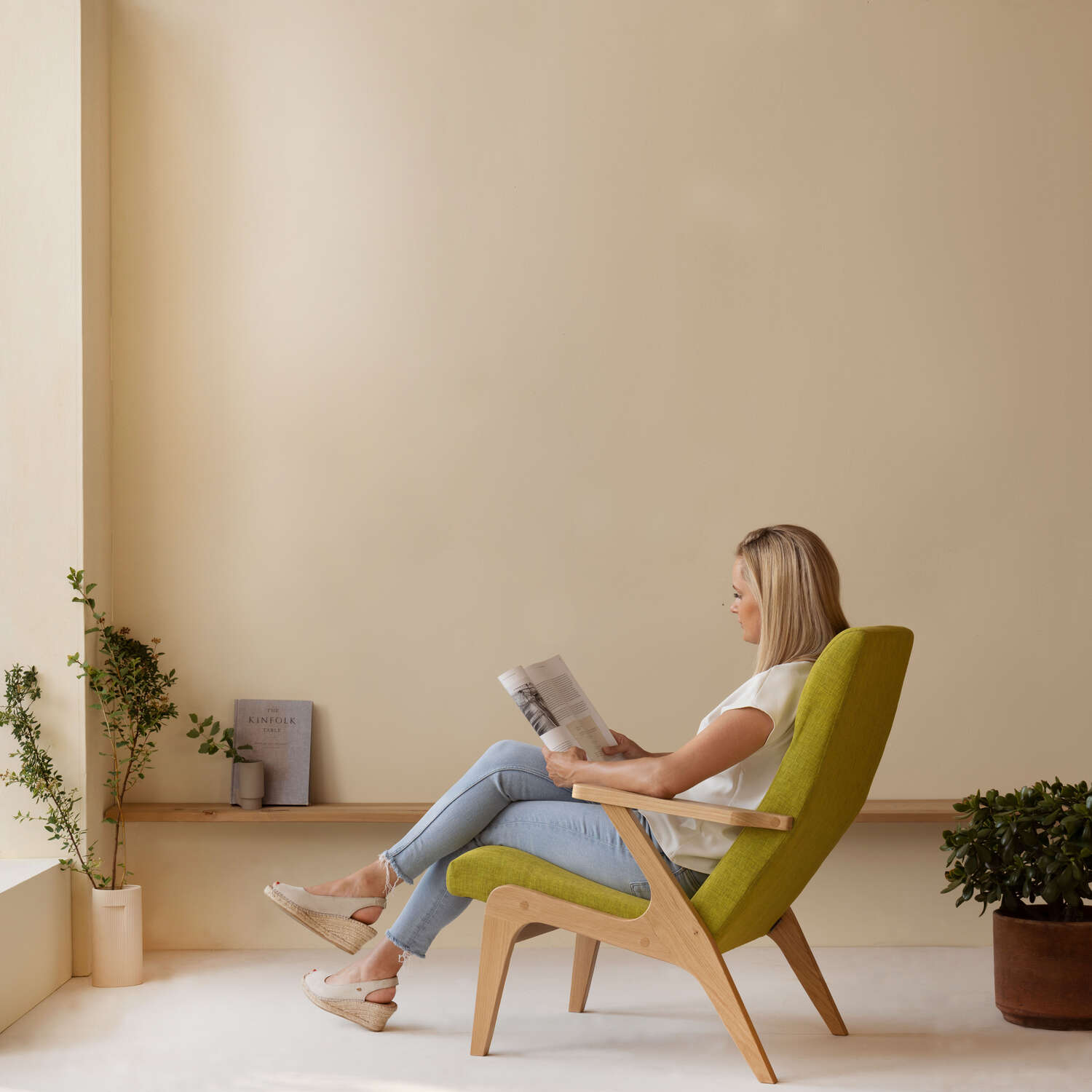
The armchairs have a lounge-like feel without making you feel like you “disappear” into them. You sit upright and relaxed—just right for savoring a cup of coffee or having a conversation.
This combination of exclusive design and experience—and the parallels to coffee—stays with many people.
 Photo: The Old Pub Eleven
Coffee roasting is a craft; your furniture is a craft. Was that a conscious decision when you were making your selection—or did you only notice the parallel later on?
For us, that was a very deliberate decision from the very beginning.
We see ourselves as artisans—and that’s why we didn’t want anything “off the shelf” for the space either. We wanted something you could not only see, but also feel.
The tactile experience plays a major role for us. Just like with coffee, it’s not just about the end result, but about the entire journey leading up to it. That’s why it quickly became clear to us: We have to see it for ourselves on site.
The production process then confirmed exactly what we were looking for. The materials, the craftsmanship, the local sourcing—everything followed a clear vision and met high standards. These were not interchangeable choices, but deliberate decisions.
Of course, that comes at a price. But we're willing to pay it if the quality and values are right.
What emerged almost as a side effect: trust. And a shared mindset. This extends to issues such as sustainability, short supply chains, and an appreciation for what we produce.
The market is full of furniture—just like it is full of coffee. But that’s exactly why it was important to us to choose something that stands out from the crowd.
And that is exactly where we found ourselves once again.
Last question: How do you like to drink your coffee—and which piece of furniture do you sit on while doing so?
That really is the hardest question—the one between desire and reality.
We love to take our time when drinking coffee. We do it on purpose. Because that’s exactly what’s in it: time, care, and craftsmanship. The reality of running a startup often looks quite different.
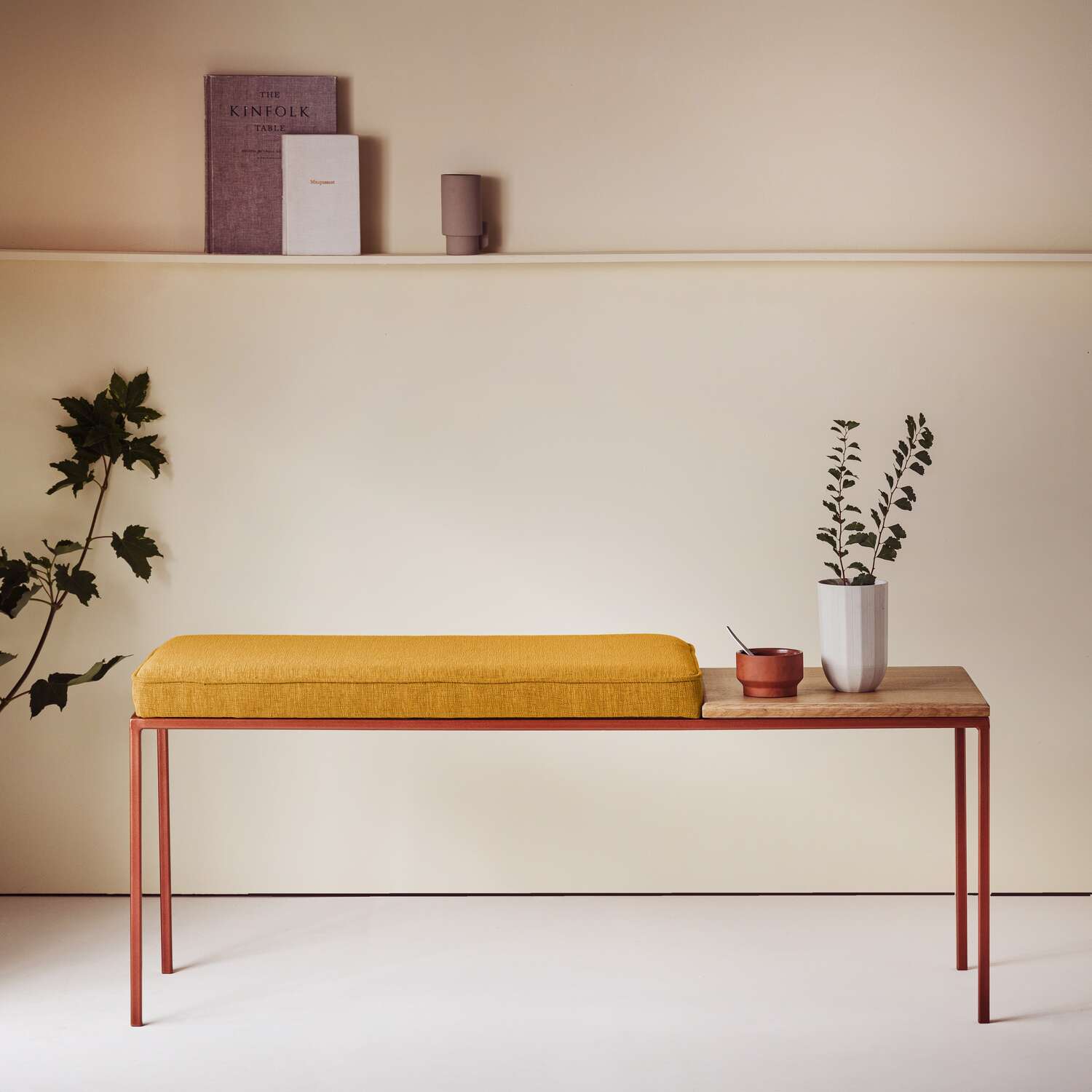
When we take a moment to ourselves, it’s usually during a conversation—with our partners or clients. Sometimes we’re sitting in armchairs, other times on a bench. To be honest, we like both and can’t really decide which we prefer.
But one thing never changes: We drink our coffee Black. Pure. Without distractions.
Just the way it's meant to be—and just the way it arrives in your cup. With all the trimmings.
Photography by:
The Old Pub Eleven
Tina Beiwinkel
design@theoldpub-eleven.de
www.theoldpub-eleven.de