What is a piping? Meaning, function and use in furniture
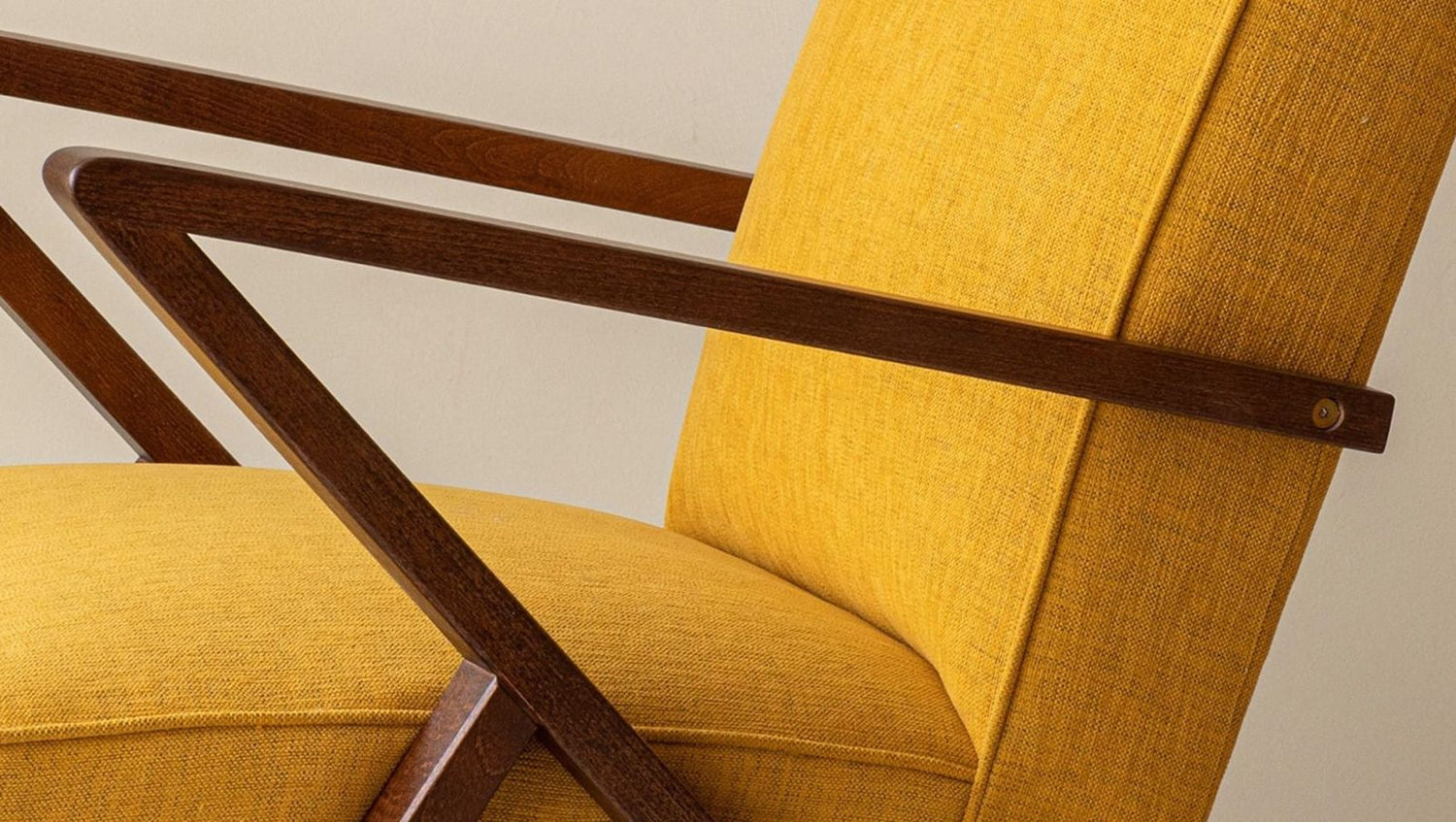
A piping is a visible seam edging found on upholstered furniture such as sofas or armchairs. It is sewn between two layers of fabric or leather and emphasises lines and transitions. In addition to its decorative effect, piping can also reinforce the seam and highlight the contours of a piece of furniture more clearly.
A piping is a cord-filled edging that emphasises and stabilises the seams on upholstered furniture.
What exactly is a piping?
Piping, also known as a trim, is a narrow, usually round edging that is incorporated into a seam. In upholstery, it serves to highlight transitions and clearly define surfaces.
A piping strip usually consists of:
- an inner core, often a cord
- a fabric or leather sheath
- a sewn-in edge for secure fastening
The piping remains visible. This creates a slightly raised line along the seam. This line can give furniture a more defined silhouette and has a particularly defining effect on the style, especially with clean, minimalist designs.
At Sternzeit Design, we use piping selectively on chosen models. We do not view it as a mandatory quality feature, but rather as a deliberate stylistic choice.
A sofa with piping often looks more classic and has a more defined silhouette.
A sofa without piping appears more understated and modern.
An example of this is our Retrostar 4-seater sofa in premium leather with piping.
What is the purpose of piping on sofas and armchairs?
Many people ask themselves: What is piping on a sofa, and what difference does it actually make?
Piping adds structure to larger upholstered surfaces and emphasises the lines of a sofa. It can make the proportions appear clearer and highlight the design.
Typical applications include:
- Seat edges
- Backrests
- Armrests
- Transitions between individual upholstery sections
Direct comparison of armchairs with and without piping:

Whether or not to choose piping is primarily a matter of personal style. Regardless of this, our furniture is designed to be durable and long-lasting. You can find a selection of high-quality sofas and armchairs here.
What is the purpose of a piping?
A piping can serve two purposes.
Optical structure
It creates a visible line along the seam. This allows contours to be emphasised, transitions to be defined and upholstered surfaces to be clearly delineated.
Technical support
Inside, there is a cord that can provide additional reinforcement to the seam. However, our furniture is always designed to be durable and robust even without piping.
Our furniture is produced in close collaboration between Berlin, Brandenburg and Poland. In this manufacturing process, we prioritise durable construction, repairable components and a conscious choice of materials.
The stability of our sofas is based on the overall construction and not solely on individual details such as the piping.
What material is piping made of?
Piping can be made from a variety of materials. It usually matches the upholstery fabric or leather of the piece of furniture in question.
Typical options include:
- stoffbezogener Keder
- Lederkeder
- Kunstleder
- spezielle Textilien

Fabric sample selection for upholstered furniture.
The choice of material has a significant impact on the overall effect. A leather piping looks crisp and clean. Fabric-covered piping blends more seamlessly into the overall design and has a more understated look.
 Comparison of piping on leather and upholstery fabric.
Depending on the model, the piping is either a deliberate design feature or used sparingly for a minimalist look. The overall effect always depends on the interplay of shape, material and colour.
On request, we can also send fabric samples to your home so you can examine the material and colour effects at your leisure. You can find an overview of our available fabrics and colour options here.
When is a piping a sign of quality?
A piping trim looks just right when it is seamlessly integrated into the overall design and has been neatly finished.
In handcrafted production, minor variations are possible; these are not defects, but rather a reflection of the nature of manual work. It is not the piping alone that matters, but the overall construction of the piece of furniture.
Our production facilities in Brandenburg and Poland are geared towards ensuring that furniture remains usable for the long term. Should repairs become necessary after many years, we will of course also assist with seams or piping as part of our service offering.
Ultimately, the decision for or against piping is primarily a matter of personal style. Some sofas appear clearly contoured and classic with piping, whilst others exude a sense of calm precisely through their minimalist lines.
If you’d like to delve deeper into the subject, we’ve answered some of the most frequently asked questions about piping on upholstered furniture below.
Frequently asked questions about piping
What is the difference between piping and edging?
In the furniture industry, ‘piping’ and ‘edging’ are often used interchangeably. Whilst ‘edging’ traditionally refers to a textile trim, the term ‘piping’ is sometimes also used for industrially manufactured versions.
What is the difference between piping and a pleat?
A pleat is a narrow, sewn fold in the fabric that does not require an inserted cord. It appears flatter and more understated. Piping, on the other hand, contains a round core and appears more three-dimensional and more strongly contoured.
Is piping a good choice for a sofa?
Piping on a sofa emphasises the lines and contours of an upholstered piece of furniture. Whether piping is a good choice depends primarily on the desired style. A sofa with piping often looks more classic, whilst a sofa without piping appears more understated and modern.
Can piping be repaired?
As part of our general repair services, we naturally also carry out sewing repairs. Our aim is to ensure that furniture remains usable in the long term. In some cases, this may involve refurbishing a piping.
How do you clean piping?
Care depends on the specific upholstery fabric or leather. As a rule, careful vacuuming or suitable fabric care is sufficient.